Your desk setup looks great on paper — monitor at the right height, cable management sorted, decent chair. But something’s off. It looks sterile. Clinical. Like a stock photo of “remote worker” that nobody would actually want to spend eight hours in. A plant changes that instantly. Not just aesthetically — research shows that indoor plants near your workspace reduce stress, improve concentration, and make you measurably happier during the working day. And the best desk plants are the ones that survive despite your best efforts to kill them through neglect.
In This Article
- Why Desk Plants Improve Your Workspace
- The Best Indoor Plants for Desks
- Low-Light Plants for Dark Offices
- Small Plants for Tight Desk Spaces
- Air-Purifying Desk Plants
- How to Keep Desk Plants Alive
- Pots and Planters for Your Desk
- Plants to Avoid on a Desk
- Where to Buy Desk Plants in the UK
- Frequently Asked Questions
Why Desk Plants Improve Your Workspace
The Science
A widely cited study from the University of Exeter found that office workers with plants in their workspace were 15% more productive than those in sparse environments. The Royal Horticultural Society (RHS) cites multiple studies linking indoor plants to reduced stress hormones, lower blood pressure, and improved mood. You don’t need a jungle — even a single small plant on your desk produces measurable benefits.
The Visual Effect
A desk with a plant looks lived-in and intentional. Browse any desk setup subreddit or Instagram account and plants appear in virtually every highly-rated setup. They add organic texture to a space dominated by hard edges, screens, and cables. A trailing pothos cascading off a shelf or a compact succulent beside your monitor transforms the visual character of your workspace without taking up meaningful desk space.
Air Quality
Some plants genuinely improve indoor air quality by absorbing volatile organic compounds (VOCs) — chemicals off-gassed by furniture, paint, and electronics. NASA’s Clean Air Study identified several common houseplants that filter formaldehyde, benzene, and trichloroethylene. The effect is modest in a home setting (you’d need dozens of plants to match a decent air purifier), but it’s a real bonus alongside the aesthetic and psychological benefits.
The Best Indoor Plants for Desks
Pothos (Devil’s Ivy) — Best for Beginners
The single hardest plant to kill. Pothos tolerates low light, irregular watering, and complete neglect for weeks at a time. It grows trailing vines that look great draped off a shelf or monitor riser, and it comes in several varieties — golden pothos (green with yellow variegation), marble queen (white and green), and neon pothos (bright lime green).
- Light: low to bright indirect (survives almost anywhere)
- Water: when the top 2cm of soil is dry, roughly every 1-2 weeks
- Size: compact in a pot, trails to 1-2 metres if left to grow
- Price: about £5-10 for a small plant
If you’ve killed every plant you’ve ever owned, start with a pothos. If you manage to kill a pothos, consider a nice fake plant instead — no judgement.
Snake Plant (Sansevieria) — Best for Forgetful Waterers
Snake plants are the camels of the houseplant world. They store water in their thick, upright leaves and can go 3-4 weeks without watering. They tolerate low light, bright light, air conditioning, and heating — basically every condition a UK home office throws at them.
- Light: low to bright indirect (adapts to almost anything)
- Water: every 2-4 weeks, less in winter. Overwatering is the main killer.
- Size: compact varieties (Sansevieria ‘Hahnii’) stay under 20cm. Standard varieties reach 60-90cm.
- Price: about £8-15
The architectural, upright leaves suit modern desk setups particularly well. They also release oxygen at night (most plants only do this during the day), making them ideal for bedrooms and home offices used into the evening.
ZZ Plant (Zamioculcas) — Best for Dark Corners
If your desk is in a room with minimal natural light — a north-facing spare bedroom, a basement office, or a corner far from windows — the ZZ plant thrives where others wilt. Its waxy, dark green leaves reflect what little light is available, giving it a glossy, healthy appearance even in dim conditions. If you are exploring this area, our guide on Ergonomic Desk Setup Checklist covers the essentials. If you are exploring this area, our guide on Ergonomic Desk Setup Checklist covers the essentials.
- Light: low to moderate indirect (one of the most shade-tolerant houseplants)
- Water: every 2-3 weeks. Stores water in its thick rhizomes underground.
- Size: 30-60cm tall, compact spread
- Price: about £10-20
The ZZ plant grows slowly, which is actually an advantage on a desk — it won’t outgrow its spot for years. The ‘Raven’ variety has dramatic near-black leaves that look stunning against a white or light-wood desk.
Succulents and Cacti — Best for Sunny Desks
If your desk gets direct sunlight for several hours daily (south or west-facing window), succulents and cacti are your best option. Most other houseplants scorch in direct sun, but succulents are built for it. Echeveria, haworthia, and small cacti all work well in pots on a sunny desk.
- Light: bright direct or indirect (need more light than most houseplants)
- Water: every 2-3 weeks, less in winter. Water thoroughly but let the soil dry completely between waterings.
- Size: most desk varieties stay under 15cm
- Price: about £3-8
The key mistake with succulents is overwatering. They need far less water than people think. If the leaves are plump and firm, don’t water. If they start to wrinkle or feel soft, they’re thirsty.
Peace Lily — Best Air Purifier
The peace lily topped NASA’s air-purifying plant list and produces elegant white flowers that add a different dimension to a desk setup. It’s also one of the few flowering plants that tolerates low light — though it flowers more prolifically in brighter conditions.
- Light: low to bright indirect (flowers better in brighter spots)
- Water: weekly, or when leaves start to droop slightly (the droop is your reminder)
- Size: compact varieties stay around 30-40cm
- Price: about £8-15
The peace lily is slightly more demanding than pothos or snake plants — it prefers consistent moisture and will complain (by drooping visibly) if you forget to water for too long. But it recovers quickly, and the visual drama of its leaves and flowers justifies the extra attention. You might also find our Standing Desk Setup Ideas for Health guide useful here. You might also find our Standing Desk Setup Ideas for Health guide useful here.
Chinese Money Plant (Pilea Peperomioides) — Most Instagrammable
Round, pancake-shaped leaves on delicate stems — the pilea is the trendy desk plant of the moment. It’s photogenic, compact, and produces “baby” plants (pups) that you can separate and propagate, giving you free plants for other rooms or to give away.
- Light: bright indirect (not direct sun, which scorches the leaves)
- Water: weekly, when the top layer of soil is dry
- Size: 20-30cm tall
- Price: about £6-12
The pilea suits minimalist and Scandinavian desk setups particularly well. It needs a bit more light than pothos or snake plants, so position it near (but not in) a window.
Low-Light Plants for Dark Offices
Not every home office has a bright window. If yours is dim, these plants cope:
- Pothos — the champion of low light
- ZZ Plant — thrives in shade that would kill most plants
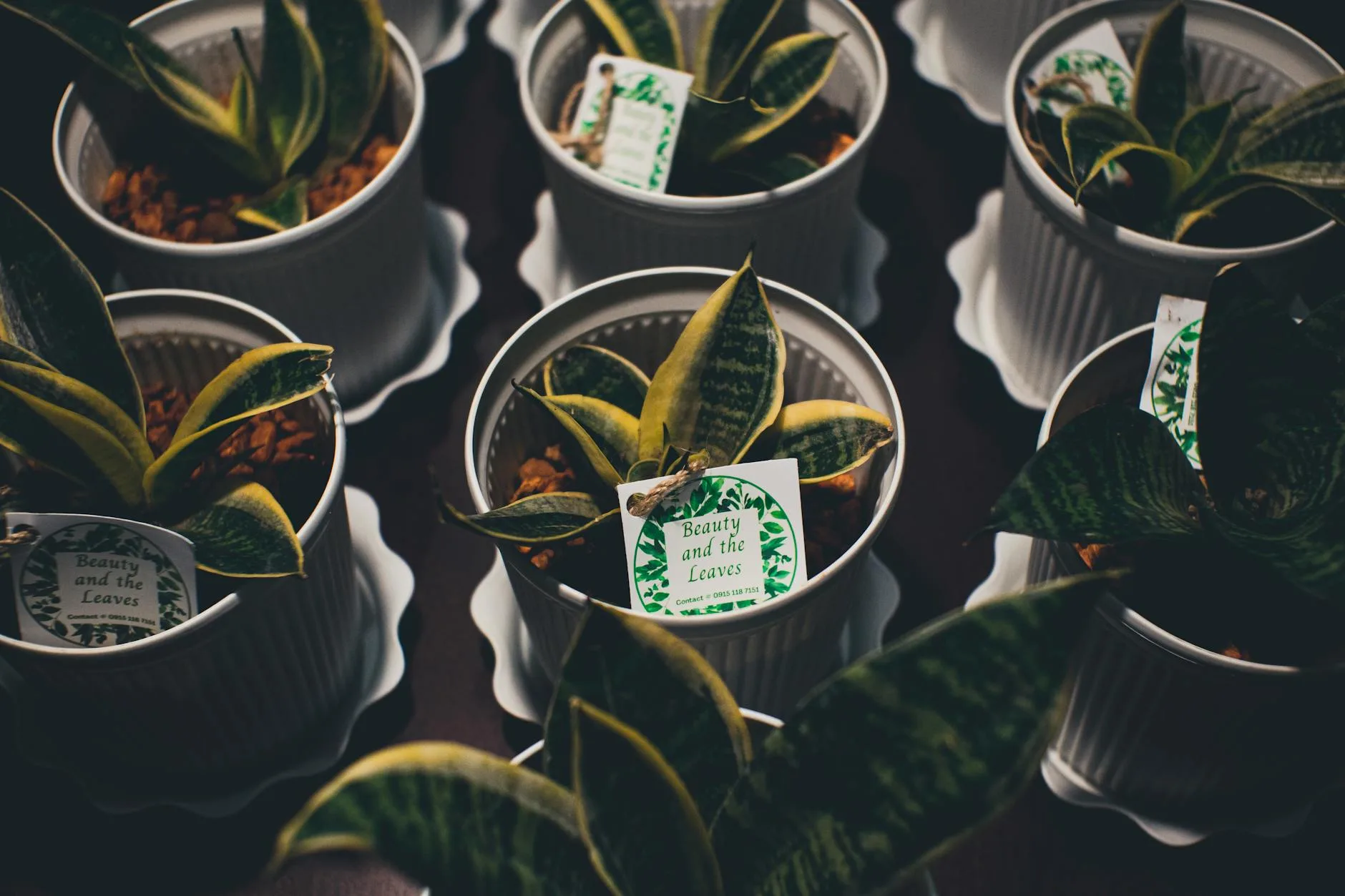
- Snake Plant — adapts to virtually any light level
- Cast Iron Plant (Aspidistra) — named for being nearly indestructible. Slow-growing but remarkably tolerant of neglect and darkness
- Philodendron — trailing varieties tolerate low light well, though they grow slower in dim conditions
Avoid succulents, cacti, and most flowering plants in low-light offices — they’ll stretch toward any available light (a process called etiolation) and eventually die.
Small Plants for Tight Desk Spaces
If your desk is already crowded with accessories, choose plants that stay compact:
- Haworthia — a small succulent that stays under 10cm. Striped, architectural leaves. Needs bright light.
- Mini snake plant (Sansevieria ‘Hahnii’) — rosette form that stays under 15cm
- Air plants (Tillandsia) — no soil needed. Mist twice a week. Sit them on a small stand or in a decorative holder.
- Peperomia — compact, varied leaf shapes and colours. ‘Watermelon’ variety has striped leaves that look like tiny watermelons.
- String of pearls — trailing succulent with bead-like leaves. Looks fantastic hanging off a shelf edge. Needs bright light.
For truly tiny spaces, mount a small shelf above your monitor and place the plant there — it gets more light and doesn’t take any desk surface at all. We cover this in more detail in our Standing Desk Mistakes Everyone Makes (And How to Fix Them) piece. We cover this in more detail in our Standing Desk Mistakes Everyone Makes (And How to Fix Them) piece.
Air-Purifying Desk Plants
Based on NASA’s Clean Air Study and subsequent research by the University of Birmingham, these plants are the most effective at removing indoor pollutants:
- Peace lily — removes formaldehyde, benzene, trichloroethylene, ammonia
- Snake plant — removes formaldehyde, benzene, toluene, xylene
- Pothos — removes formaldehyde, benzene, carbon monoxide
- Spider plant — removes formaldehyde, xylene (a prolific producer of oxygen)
- Rubber plant — removes formaldehyde (large leaves = more surface area for absorption)
To make a meaningful impact on air quality, you’d need roughly one plant per 9 square metres of floor space. For a typical home office (about 10-12 square metres), two or three plants contribute noticeably alongside proper ventilation.
How to Keep Desk Plants Alive
The Number One Killer: Overwatering
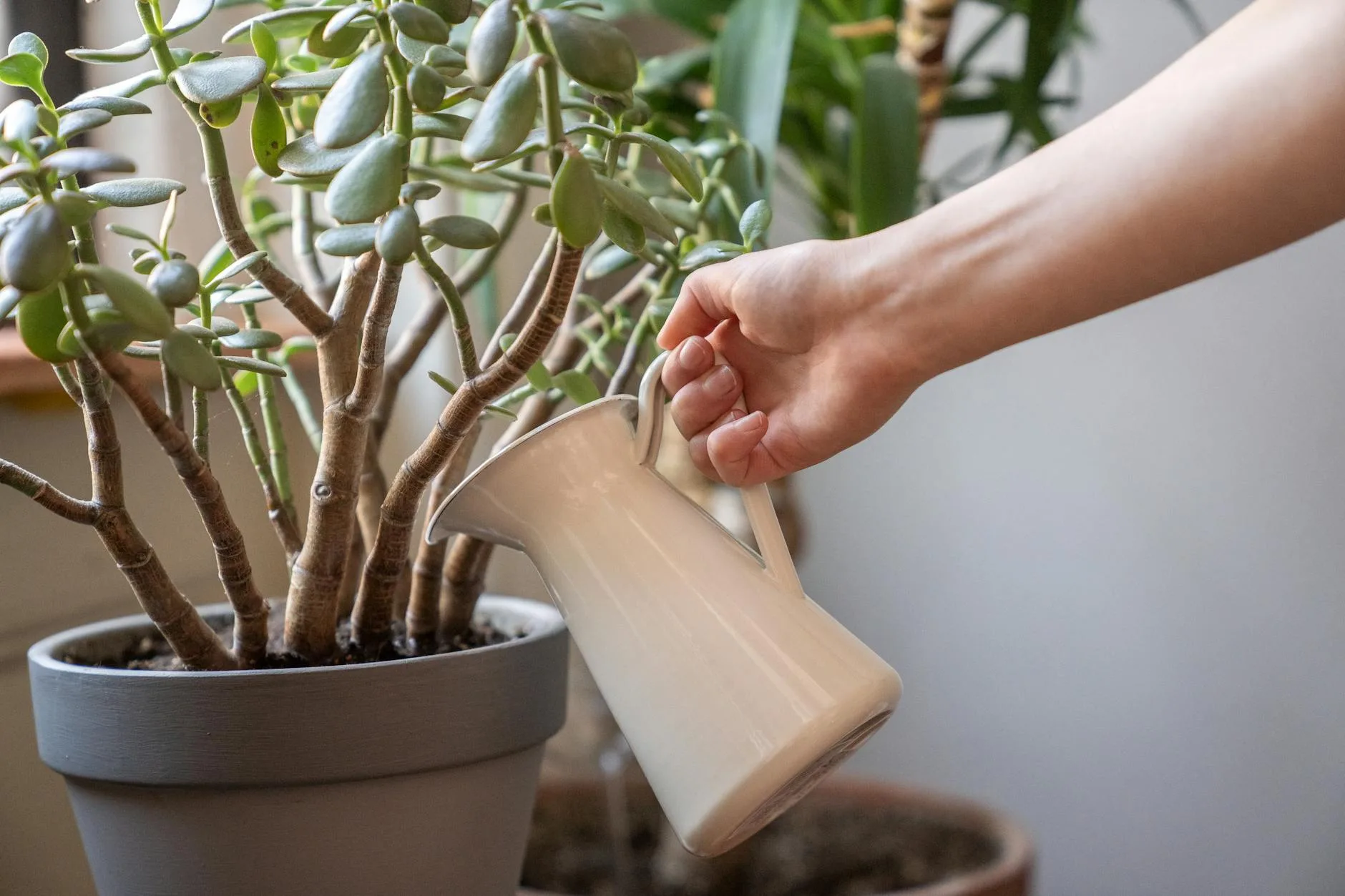
More desk plants die from too much water than too little. When in doubt, don’t water. Most desk plants prefer to dry out slightly between waterings. Stick your finger 2cm into the soil — if it’s damp, leave it. If it’s dry, water thoroughly until water drains from the bottom of the pot.
Light Assessment
Spend a day observing your desk. Does direct sunlight hit it at any point? For how long? Is the room generally bright or dim? Match your plant choice to the light available — don’t try to grow a succulent in a dark corner or a fern in full afternoon sun.
Temperature and Draughts
Most houseplants prefer 18-24°C — conveniently, the same temperature range most people keep their homes at. Avoid placing plants directly next to radiators (too hot and dry), air conditioning vents (too cold and dry), or frequently opened windows in winter (temperature fluctuations stress plants). For related advice, take a look at How to Set Up an Ergonomic Home Office on a Budget. For related advice, take a look at How to Set Up an Ergonomic Home Office on a Budget.
Feeding
During the growing season (March to September), feed desk plants once a month with a general houseplant fertiliser (about £4-6 from any garden centre or supermarket). In winter, plants grow slowly or not at all — don’t feed them. Overfeeding causes salt buildup in the soil, which damages roots.
Dust the Leaves
Dusty leaves can’t photosynthesize properly. Wipe large leaves with a damp cloth every few weeks. For smaller-leaved plants, a gentle shower under the tap works. This also prevents pest buildup — spider mites love dusty, dry conditions.
Pots and Planters for Your Desk
Drainage Is Non-Negotiable
Whatever pot you choose, it needs a drainage hole. Pots without drainage holes trap water at the bottom, creating conditions for root rot — the most common cause of houseplant death after overwatering (which is really the same problem). If you love a decorative pot without drainage, use it as a cachepot — put the plant in a plastic nursery pot with drainage holes inside the decorative outer pot.
Materials
- Ceramic — heavy, stable, looks polished on a desk. Wide range of styles. Most popular choice for desk plants.
- Terracotta — porous, which helps prevent overwatering (excess moisture evaporates through the walls). Classic look but can leave water rings on desks — use a saucer.
- Concrete — trendy, heavy, industrial aesthetic. Suits modern desk setups.
- Plastic nursery pots — functional, lightweight, always have drainage. Put them inside a decorative outer pot.
Size
Choose a pot 2-3cm wider than the current root ball. Too-large pots hold excess moisture around the roots. When the plant outgrows its pot (roots circling the bottom, water running straight through), move up one size.
Plants to Avoid on a Desk
Ferns
Beautiful but demanding. Ferns need consistent humidity, frequent watering, and indirect light — conditions that are hard to maintain on a desk, especially in winter when central heating dries the air. Save ferns for bathrooms.
Large tropicals (Monstera, Fiddle-Leaf Fig)
They’ll outgrow a desk within months. Monstera and fiddle-leaf figs are floor plants — they want space, height, and room to spread. A baby monstera starts small but grows fast.
Flowering plants that need high light (Orchids, African Violets)
These are maintenance-intensive and need specific light conditions. They’re beautiful but they’re not “put it on the desk and forget about it” plants.
Where to Buy Desk Plants in the UK
Online
- Patch Plants — curated selection with excellent packaging and plant care guides. Slightly premium pricing (£8-25 for desk-sized plants).
- Beards & Daisies — wide range, competitive prices, reliable delivery. Good for bulk buys (multiple plants for a home office).
- Amazon — convenience, but plant quality varies by seller. Check reviews carefully.
In Person
- Garden centres — widest selection and you can inspect the plant before buying. Dobbies, Hillier, and independent garden centres usually stock all the plants on this list.
- Supermarkets — Sainsbury’s, M&S, and Waitrose stock houseplants seasonally at competitive prices (often £3-8). Quality is hit-and-miss.
- IKEA — consistently cheap plants (from £1.50) and decent pots. The plants are mass-produced but healthy on arrival — survival depends on your care afterwards.
- B&Q/Homebase — good range of houseplants alongside garden plants. Often cheaper than specialist garden centres.
Frequently Asked Questions
What’s the easiest plant for a desk? Pothos (devil’s ivy). It tolerates low light, irregular watering, and general neglect. If you’ve killed every plant you’ve owned, a pothos is your best chance of success. A close second is the snake plant, which needs even less water.
Do desk plants really improve air quality? Yes, but modestly. Plants absorb some indoor pollutants and release oxygen, but you’d need several plants in a small room to notice a measurable difference. The bigger benefits are psychological — reduced stress, improved mood, and better concentration.
How often should I water a desk plant? Most desk plants need watering every 1-2 weeks. The best approach is to check the soil rather than follow a schedule — stick your finger 2cm into the soil, and only water if it’s dry. Overwatering kills more houseplants than underwatering.
Can plants survive in an office with no windows? Very few plants thrive in zero natural light. ZZ plants and pothos tolerate extremely low light but still need some. In a truly windowless office, consider a grow light (LED grow bulbs cost about £10-15 and fit standard lamp sockets) or accept that a quality fake plant might be the honest answer.
Are any common desk plants toxic to pets? Yes. Pothos, peace lily, ZZ plant, and snake plant are all mildly toxic if ingested by cats or dogs. If pets visit your workspace, choose pet-safe alternatives: spider plants, Boston ferns, or calathea. The RHS maintains a list of plants harmful to pets.