White desks usually stay looking cleaner than black desks because they hide dust and fingerprints far better. Black desks hide coffee rings, dark scuffs and general grime, but they show pale dust within a day or two, especially beside a window or under a desk lamp. If you want the lowest-maintenance desk colour for a real home office, matte white or light wood is normally easier to live with than black.
This comparison covers dust, fingerprints, scratches, stains and surface materials, then gives a practical verdict for different desk setups. If you already know you want a darker setup, read the dark vs light desk setup guide; if surface protection is your main concern, our desk mat material guide will matter more than colour.
Quick Verdict
- Choose white if dust and fingerprints annoy you most.
- Choose black if coffee marks, dark scuffs and a moody setup matter more than daily dust.
- Choose light wood if you want the easiest low-maintenance compromise.
In This Article
- Dust: The Biggest Daily Problem
- Fingerprints and Smudges
- Scratches and Scuff Marks
- Stains and Spills
- How Desk Material Changes Everything
- Cleaning and Maintenance Compared
- White Desks in Practice
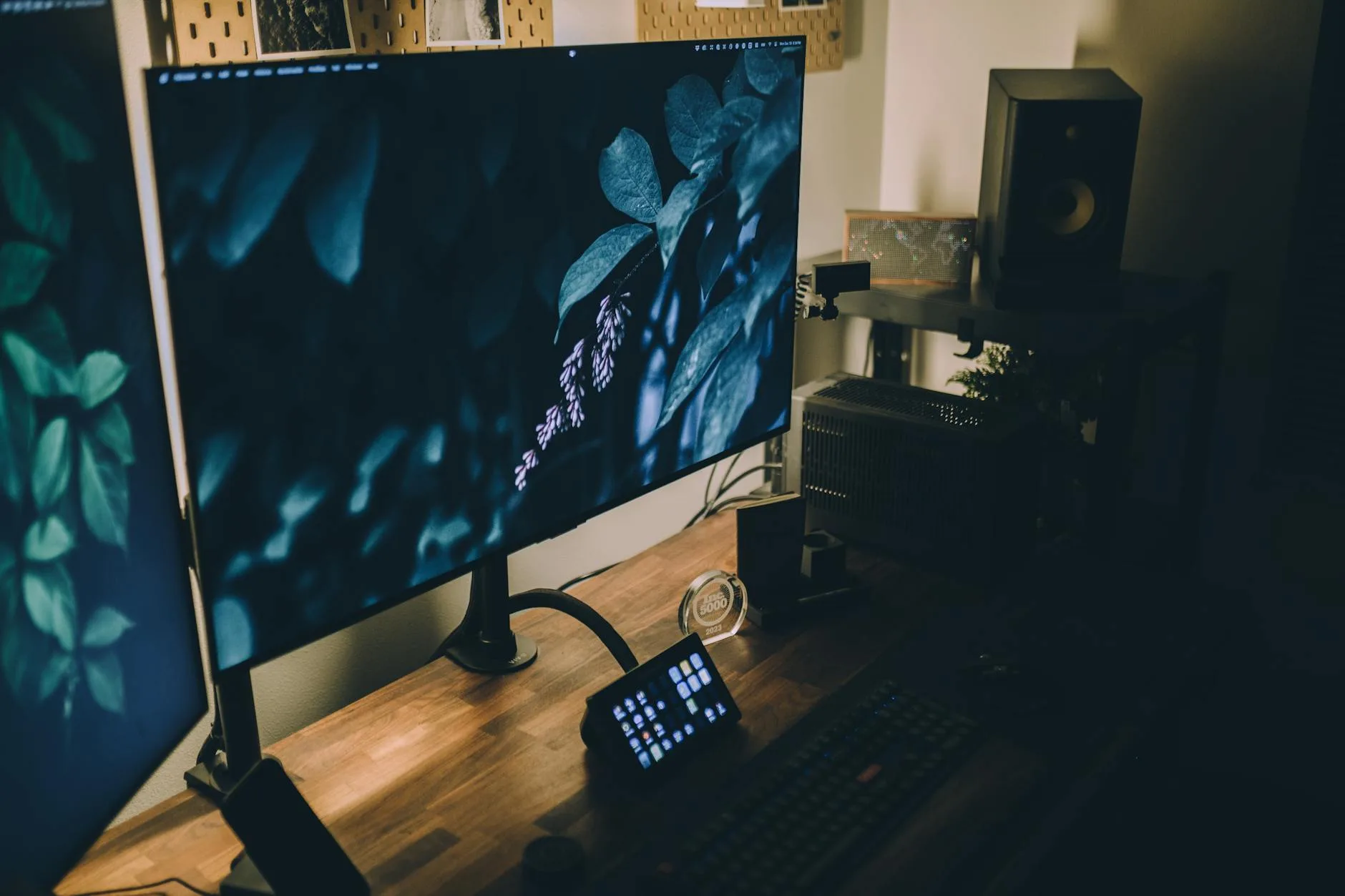
- Black Desks in Practice
- Which Shows Less Dirt: The Verdict
- Beyond Dirt: Other Factors to Consider
- The Best Low-Maintenance Alternatives
- Frequently Asked Questions
Dust: The Biggest Daily Problem
Dust is the unavoidable enemy of every desk surface. It settles overnight, builds up through the week, and no amount of careful living prevents it entirely. The question is which colour makes it visible.
Black Desks and Dust
Black desks show dust badly. Very badly. A thin layer of dust that would be invisible on a lighter surface shows up as a grey film on black within 24-48 hours, especially under natural light or a desk lamp. If your desk sits near a window where sunlight hits the surface at an angle, dust becomes visible within hours of cleaning.
The problem intensifies in rooms with carpets, pets, or nearby roads with passing traffic. Fine particulate dust settles constantly, and against a dark background it’s impossible to miss.
White Desks and Dust
White desks hide dust remarkably well. Standard household dust is light grey — close enough to white that a week’s accumulation is barely noticeable on a white surface. You’ll eventually see it if you run a finger across the desk, but visually, a white desk looks cleaner for longer between wipes.
This is the single biggest practical advantage of a white desk. If you’re not someone who wipes down your desk daily, a white surface forgives that laziness in a way a black one never will.
Fingerprints and Smudges
Black Surface Fingerprints
Black desks — particularly those with glossy or semi-gloss finishes — are fingerprint magnets. The natural oils on your skin leave marks that catch light and create visible smudges across the entire surface. Resting your forearms on the desk, adjusting your monitor, moving your keyboard — every touch leaves a trace.
Matte black finishes are better than glossy ones, but even matte black shows fingerprints to some degree. If you touch your desk regularly (and you do — you just don’t notice it), a black surface tracks every contact.
White Surface Fingerprints
White desks hide fingerprints almost completely. The same skin oils that create visible marks on dark surfaces are nearly invisible against white. You’d need to examine the surface closely under angled light to spot them. This advantage holds regardless of whether the finish is matte or glossy, though glossy white surfaces do show greasy handprints eventually.
Scratches and Scuff Marks
This is where black and white swap roles.
Black Desk Scratches
Minor scratches on a black desk are surprisingly subtle — a light scratch on a black surface is hard to see because the exposed material underneath is usually close in colour to the surface. Deep scratches that expose a lighter substrate (the MDF or particleboard underneath) are more visible, but everyday surface wear from moving a keyboard or mouse tends to blend in. If you are exploring this area, our guide on Best Standing Desks 2026: UK Tested for Home Offices covers the essentials. If you are exploring this area, our guide on Best Standing Desks 2026: UK Tested for Home Offices covers the essentials.
White Desk Scratches
White desks show scratches more easily, especially on cheaper laminate finishes where the white coating is thin. Sliding a keyboard, dragging a monitor arm, or catching the surface with a watch creates visible marks that collect dirt over time, turning from white scratches into grey lines. Using a quality desk mat prevents most surface scratching and is worth the investment on any light-coloured desk.
The Scuff Factor
Dark scuff marks from rubber feet, chair bumps, and general contact show up instantly on white and are almost invisible on black. Conversely, light scuff marks from packaging tape, cable ties, and adhesive residue show on black and disappear on white.
Stains and Spills
Coffee and Tea
This is the most common desk stain. Coffee on a white desk leaves a visible ring if not wiped immediately — the tannins in coffee and tea stain light surfaces quickly. On a black desk, the same coffee ring is invisible until you wipe it and feel the residue.
A white desk punishes carelessness with drinks more harshly than a black one. If you’re a “set the mug down without a coaster” person, black is more forgiving.
Ink and Marker
Ink from a leaking pen or a stray marker line stands out on both colours, but it’s more conspicuous on white. Black ink on a white surface is a permanent-looking blemish. Blue or red ink on a black surface is visible but less jarring.
General Grime
The accumulated grime from months of use — skin cells, food particles, general residue — builds up as a yellowy-grey film. On white desks, this discolouration becomes visible over time, especially around the area where your wrists rest. On black desks, the same grime exists but isn’t visible. You’re not keeping the black desk cleaner — you’re just not seeing the mess.
How Desk Material Changes Everything
The colour matters, but the surface material and finish affect cleaning and dirt visibility just as much.
Laminate and Melamine
Most affordable desks use laminate (a printed decorative layer bonded to MDF or particleboard). Laminate comes in both matte and glossy finishes. Matte laminate hides fingerprints better on both colours. Glossy laminate shows everything — dust, fingerprints, scratches — on both colours, though black glossy is noticeably worse than white glossy.
Laminate is the easiest surface to clean. A damp cloth with mild soap handles virtually any stain, and the non-porous surface prevents liquid absorption. The main risk is edge damage where water seeps under the laminate layer.
Solid Wood (Painted or Lacquered)
A painted white desk or a black-stained solid wood desk behaves differently from laminate. Paint and lacquer finishes chip and scratch more easily, and the exposed wood underneath is visible against both colours. Solid wood desks also absorb spills if the sealant is compromised — white paint over oak develops yellowing over time, while black stain can lighten in high-wear areas.
Metal
Steel and aluminium desk frames rarely get dirty in a visible way. The desk surface is what matters, but metal legs and supports in either colour are largely maintenance-free. Black powder-coated metal frames are slightly more durable than white ones — white powder coating shows chips and rust spots more readily.
High-Pressure Laminate (HPL)
Premium desks often use HPL, which is thicker and more durable than standard laminate. HPL resists scratches and stains better, making the white-vs-black dirt question less critical. If you’re spending over £400 on a desk, HPL is worth seeking out regardless of colour. Our comparison of budget vs premium desks covers material differences in detail.
Cleaning and Maintenance Compared
Daily Wipe-Down
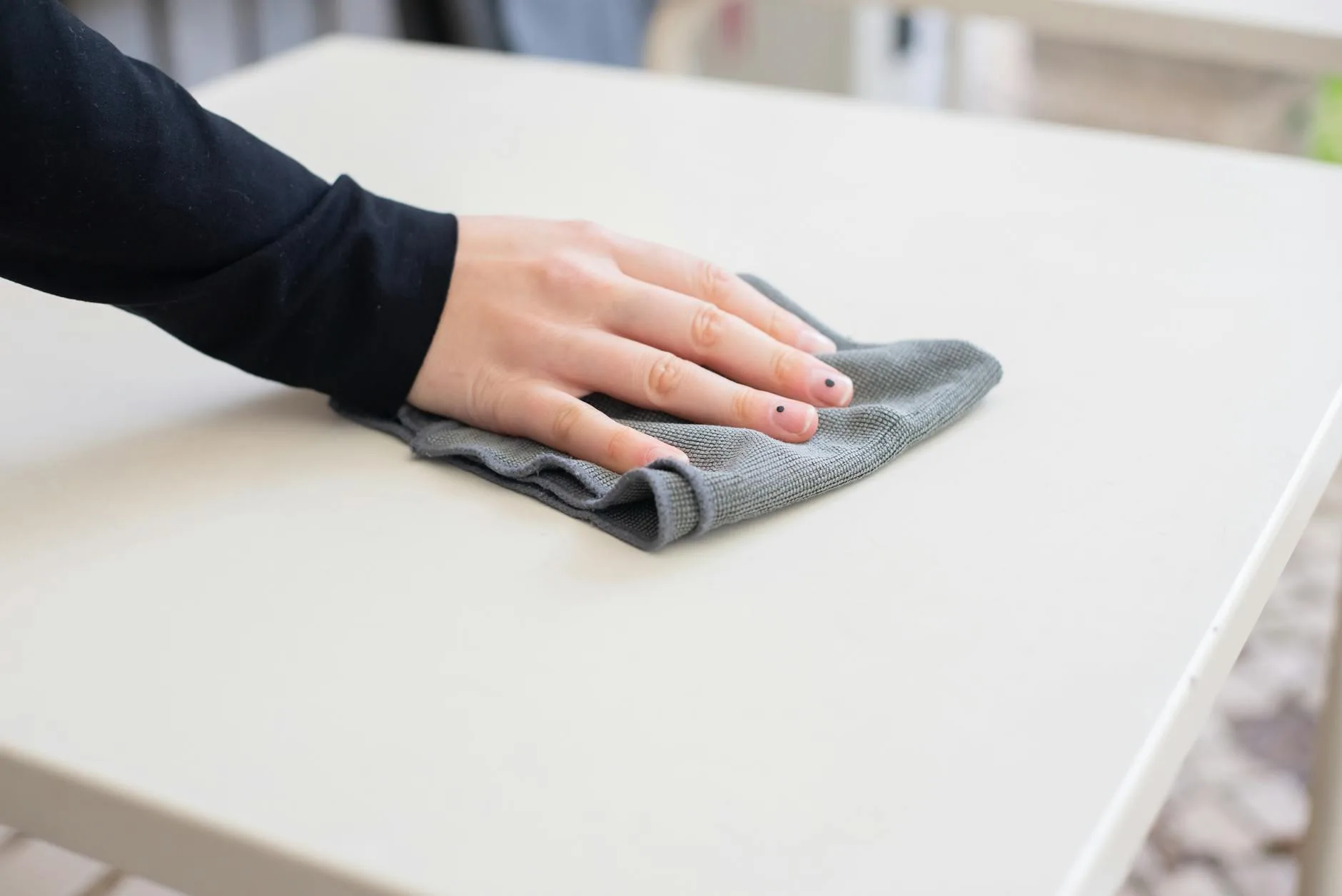
Both colours benefit from a quick daily wipe with a microfibre cloth. The difference: a black desk needs it daily to look presentable. A white desk can go 3-5 days before dust becomes noticeable.
Weekly Deep Clean
A mild all-purpose cleaner and a damp microfibre cloth handles both colours. Avoid abrasive cleaners — they dull glossy surfaces and can leave micro-scratches that make dust adhesion worse. For stubborn marks on white desks, a magic eraser (melamine foam) works well but use it sparingly. The British Furniture Confederation recommends checking manufacturer cleaning instructions before using any abrasive products on finished surfaces — it’s mildly abrasive and can dull the finish over time.
Products to Avoid
- Bleach — yellows white laminate over time and can strip black finishes
- Furniture polish spray — leaves a residue that attracts more dust (counterproductive on both colours)
- Glass cleaner on non-glass surfaces — leaves streaks on laminate, especially black laminate
- Rough cloths or paper towels — create micro-scratches that accumulate on both colours
The Static Problem
Computer monitors, cables, and electronic equipment generate static charge that attracts dust particles to the desk surface. An anti-static spray or anti-static microfibre cloth reduces dust adhesion on both colours. Which? has tested various cleaning products for effectiveness on different surface types. This is more useful on black desks, where the visible impact of dust is greater.
White Desks in Practice
What White Hides
- Dust — the biggest daily advantage; a white desk looks clean for days longer
- Fingerprints — nearly invisible on all finishes
- Light-coloured spills — water, milk, light-coloured drinks
- Cable clutter — white cables against a white desk blend in (if you use white peripherals)
What White Shows
- Coffee and tea stains — visible immediately if not wiped
- Dark scuff marks — rubber feet, chair bumps, shoes hitting the desk panel
- Yellowing over time — cheaper white laminates can develop a yellowish tinge, especially in direct sunlight
- Scratches that collect dirt — surface marks become visible grey lines as grime fills them
Who Should Choose White
People who don’t clean their desk daily (most people), those who work in rooms with natural light where dust is most visible, anyone who prefers a bright, airy workspace, and anyone with a low tolerance for visible dust.
Black Desks in Practice
What Black Hides
- Coffee and tea stains — invisible until you touch the surface
- Dark scuff marks — rubber feet marks, general wear
- General grime — the accumulated film of daily use
- Scratches — minor surface wear blends into the dark colour
What Black Shows
- Dust — the single biggest problem; visible within hours of cleaning
- Fingerprints — especially on glossy and semi-gloss finishes
- Water marks — dried water spots from cleaning leave mineral deposits that catch light
- Light-coloured debris — crumbs, paper fibres, hair, lint, pet fur
Who Should Choose Black
People who wipe their desk daily anyway, those who want a sleek aesthetic and don’t mind maintenance, anyone who drinks dark beverages frequently, and anyone who prioritises a specific visual style from our dark vs light desk setup guide.
Which Shows Less Dirt: The Verdict
White desks show less dirt overall. The dust advantage alone is decisive for most people. Dust is the most common type of desk dirt, it accumulates daily, and it’s visible on black surfaces within hours. Fingerprints compound the problem on dark surfaces.
Black desks win on stain resistance and scratch visibility, but these are less frequent problems than dust. You spill coffee occasionally. Dust happens every single day.
If you ranked the common desk dirt types by frequency:
- Dust — daily (white wins)
- Fingerprints — daily (white wins)
- General grime — weekly (black wins)
- Stains — occasional (black wins)
- Scratches — occasional (tie, depends on severity)
White wins the two most frequent categories. For pure low-maintenance cleanliness, white is the better choice.
But — and this matters — if you have a matte black desk and you wipe it daily with a microfibre cloth, the maintenance burden is roughly 30 seconds per day. Whether that’s acceptable depends on how you feel about daily desk cleaning. Some people find it therapeutic. Others will resent it by day three.
Beyond Dirt: Other Factors to Consider
Room Lighting
Black desks absorb light, making rooms feel slightly darker. White desks reflect light, making rooms feel brighter. In a small home office with limited natural light, a white desk makes a noticeable difference to the overall ambiance. In a well-lit room, this matters less.
Monitor Glare
Working on a white desk can cause screen glare in certain lighting conditions — sunlight reflecting off the white surface directly into your monitor or your eyes. A desk mat in a darker colour solves this problem. Black desks cause less reflected glare.
Heat
In direct sunlight, black desk surfaces get noticeably warmer than white ones. If your desk sits in a sunny spot, a black surface can become uncomfortably warm to rest your forearms on during summer. White surfaces stay cooler.
Aesthetic Preference
Sometimes the right choice is simply the one you prefer looking at for eight hours a day. Practical concerns matter, but so does enjoying your workspace. An ergonomic desk setup you actually want to sit at is worth more than marginal cleaning advantages.
The Best Low-Maintenance Alternatives
If neither pure white nor pure black appeals after reading this, several alternatives hide dirt better than both.
Light Grey
Light grey desks combine the dust-hiding benefit of white with better stain resistance. Dust is invisible, fingerprints are hidden, and coffee stains are less conspicuous than on white. Grey is arguably the most practical desk colour if maintenance is your primary concern.
Light Wood Tones (Oak, Birch, Maple)
Natural wood finishes — or convincing wood-effect laminate — hide virtually everything. The grain pattern breaks up the visual uniformity that makes dust and marks visible on solid-colour surfaces. A light oak finish conceals dust, fingerprints, scratches, and most stains simultaneously. It’s not exciting, but it’s remarkably practical.
Dark Wood Tones (Walnut)
Walnut-effect surfaces sit between black and brown. They show dust more than light wood but less than black, while hiding stains better than white. A good middle ground if you want a warm, premium look without the maintenance burden of pure black.
Two-Tone Setups
A dark desk mat on a white desk gives you the best of both — the white surface hides dust around the edges while the dark mat hides stains and grime in the active work area. This is the most practical setup for anyone who wants a clean-looking desk with minimal effort.
Frequently Asked Questions
Do white desks go yellow over time? Cheaper white laminate and painted surfaces can develop a yellowish tinge over several years, especially in direct sunlight. UV exposure accelerates the process. Higher-quality laminates and HPL surfaces resist yellowing much better. Using a desk mat over the most exposed area helps prevent uneven discolouration.
Is a matte or glossy finish better for hiding dirt? Matte finishes hide fingerprints and smudges much better than glossy on both colours. Glossy surfaces show everything — dust, fingerprints, water marks, and scratches all catch light and become visible. If easy maintenance matters to you, choose matte regardless of colour.
How often should I clean a black desk? For a black desk to look clean, a quick wipe with a dry microfibre cloth daily is ideal. A deeper clean with a damp cloth and mild cleaner once a week keeps it looking its best. White desks can go 3-5 days between wipes before dust becomes noticeable.
Which desk colour is best for a home office with pets? If you have light-coloured pets, choose a white or light grey desk — light fur is invisible on light surfaces. Dark-coloured pets favour a dark desk for the same reason. If you have multiple pets of different colours, a mid-tone wood finish hides everything better than any solid colour.
Can I repaint a desk that shows too much dirt? Laminate desks can be painted with specialist laminate primer and paint, but the finish rarely matches the original quality. Solid wood desks repaint well. A more practical solution for laminate desks is adding a desk mat in a colour that hides whatever your desk surface shows most — this covers the main work area without the effort of repainting.