The best desk plant depends on your light, available space and how often you will water it. For most desks with indirect daylight, a pothos is an easy starting point; a compact bird’s-nest snake plant stays neater on a narrow surface. No living plant thrives in a windowless room without a grow light.
In This Article
- Best Desk Plants: Our Direct Answer
- The Best Desk Plants at a Glance
- Our Six Desk Plant Recommendations
- Why Add a Plant to Your Workspace
- Low-Light Plants for Dark Offices
- Small Plants for Tight Desk Spaces
- How to Keep Desk Plants Alive
- Pots and Planters for Your Desk
- Plants to Avoid on a Desk
- Where to Buy Desk Plants in the UK
- Frequently Asked Questions
Best Desk Plants: Our Direct Answer
Start with the 12cm pothos if you want a low-fuss trailing plant and have space for its vines. Choose the 9cm bird’s-nest snake plant for an upright, compact shape; choose the Zenzi ZZ for a slower-growing plant in a lower-light room. For stronger light, the three mini succulents or a Chinese money plant make more sense. A mini peace lily suits someone who will check watering more often. These are live plants, so size and appearance can vary when delivered.
The Best Desk Plants at a Glance
| Plant | Best for | Light | Supplied size |
|---|---|---|---|
| Pothos | Easy trailing plant | Moderate to bright indirect | 12cm pot |
| Bird’s-nest snake plant | Compact upright | Indirect daylight | 9cm pot |
| ZZ plant Zenzi | Lower-light room | Low to moderate indirect | 9cm pot |
| Three mini succulents | Sunny windowsill | Bright light | 3 × 5cm pots |
| Mini peace lily | Attentive waterer | Moderate indirect | 7cm pot |
| Chinese money plant | Small display | Bright indirect | 6cm pot |
Our Six Desk Plant Recommendations
1. Pothos — best easy trailing plant

A forgiving trailing vine for bright or moderate indirect light.
- Buy it if: you have room for vines to trail or climb.
- Skip it if: your desk is in strong direct sun, or pets can reach the plant.
- Main compromise: A 12cm nursery pot needs some space and a separate saucer or cover pot.
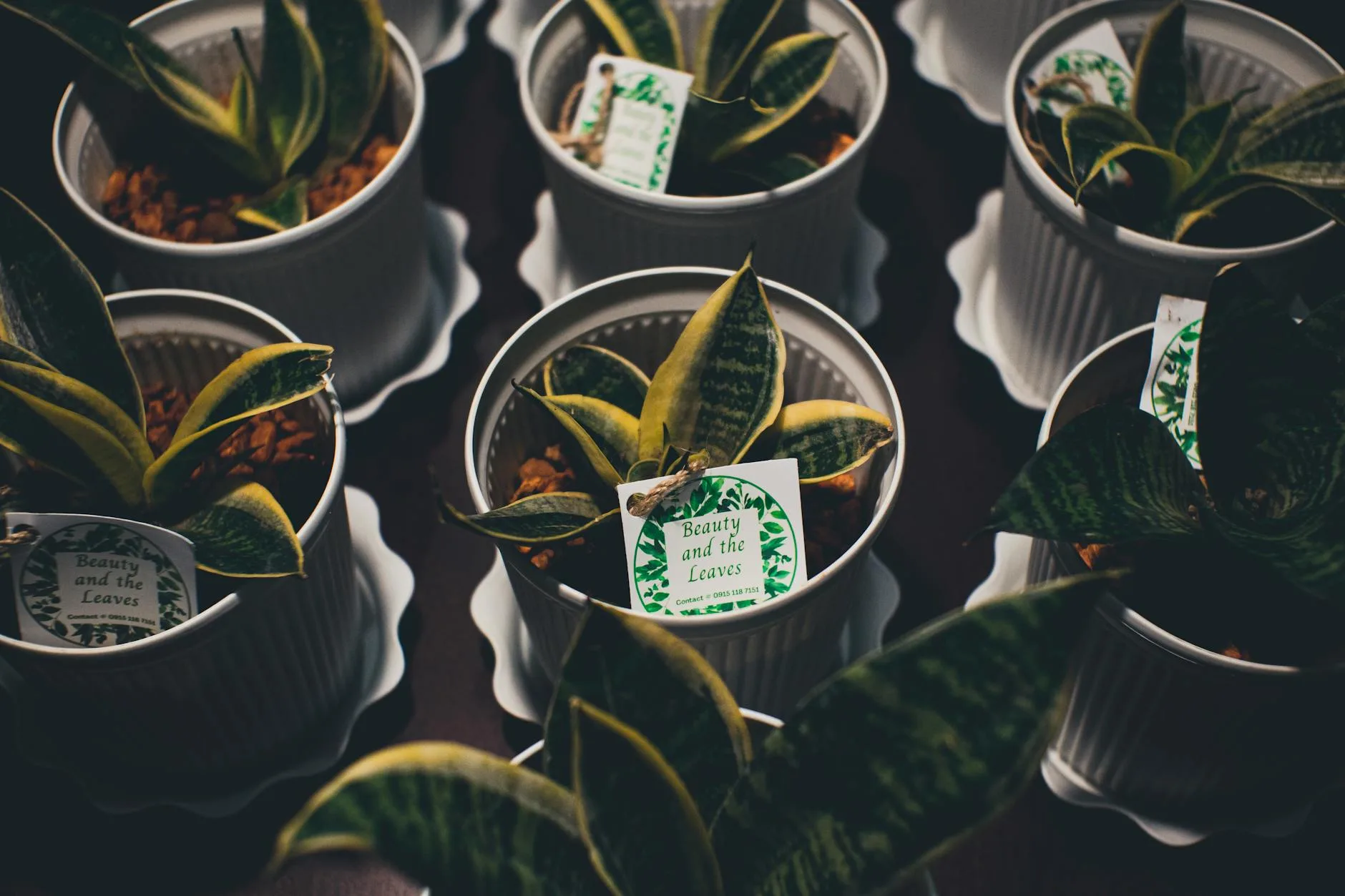
2. Bird’s-nest snake plant — best compact upright choice

A 9cm-pot Hahnii variety that stays more contained than a tall snake plant.
- Buy it if: you want upright foliage on a narrow desk.
- Skip it if: your workspace is very dark, or curious pets can chew leaves.
- Main compromise: Its small pot can dry out quickly despite the plant’s drought tolerance.
3. ZZ plant Zenzi — best for lower-light rooms

A compact ZZ cultivar in a 9cm pot for indirect-light spaces.
- Buy it if: you have modest natural light and tend to forget watering.
- Skip it if: the spot has no daylight at all, or pets have access.
- Main compromise: Slow growth and a higher price than the simpler options.
4. Three mini succulents — best for a sunny windowsill

Three 5cm live pots: aloe, Haworthia and zebra plant.
- Buy it if: you have strong natural light and want a small group.
- Skip it if: your desk is away from a window.
- Main compromise: A mixed set takes more room than one pot, and watering needs differ.
5. Mini peace lily — best for a slightly larger desk

A 7cm-pot Spathiphyllum for a spot with indirect light.
- Buy it if: you will check soil moisture regularly.
- Skip it if: you want a drought-tolerant plant or have pets that chew foliage.
- Main compromise: More frequent watering than a ZZ or snake plant; the plant may outgrow its tiny pot.
6. Mini Chinese money plant — best small-leaf display

A 6cm-pot, roughly 10cm-high Pilea for bright indirect light.
- Buy it if: you want a small, sculptural plant beside a monitor.
- Skip it if: your only position gets harsh midday sun or almost no daylight.
- Main compromise: Small pots need more regular checks and eventual repotting.
Why Add a Plant to Your Workspace
The Visual Effect
A desk with a plant looks lived-in and intentional. It complements the layout in our ergonomic desk setup checklist. Browse any desk setup subreddit or Instagram account and plants appear in virtually every highly-rated setup. They add organic texture to a space dominated by hard edges, screens, and cables. A trailing pothos cascading off a shelf or a compact succulent beside your monitor transforms the visual character of your workspace without taking up meaningful desk space.
Low-Light Plants for Dark Offices
Not every home office has a bright window. If yours is dim, these plants cope:
- Pothos — the champion of low light
- ZZ Plant — thrives in shade that would kill most plants
- Snake Plant — adapts to virtually any light level
- Cast Iron Plant (Aspidistra) — named for being nearly indestructible. Slow-growing but remarkably tolerant of neglect and darkness
- Philodendron — trailing varieties tolerate low light well, though they grow slower in dim conditions
Avoid succulents, cacti, and most flowering plants in low-light offices — they’ll stretch toward any available light (a process called etiolation) and eventually die.
Small Plants for Tight Desk Spaces
If your desk is already crowded with accessories, choose plants that stay compact:
- Haworthia — a small succulent that stays under 10cm. Striped, architectural leaves. Needs bright light.
- Mini snake plant (Sansevieria ‘Hahnii’) — rosette form that stays under 15cm
- Air plants (Tillandsia) — no soil needed. Mist twice a week. Sit them on a small stand or in a decorative holder.
- Peperomia — compact, varied leaf shapes and colours. ‘Watermelon’ variety has striped leaves that look like tiny watermelons.
- String of pearls — trailing succulent with bead-like leaves. Looks fantastic hanging off a shelf edge. Needs bright light.
For truly tiny spaces, mount a small shelf above your monitor and place the plant there — it gets more light and doesn’t take any desk surface at all. We cover this in more detail in our Standing Desk Mistakes Everyone Makes (And How to Fix Them) piece. We cover this in more detail in our Standing Desk Mistakes Everyone Makes (And How to Fix Them) piece.
How to Keep Desk Plants Alive
The Number One Killer: Overwatering
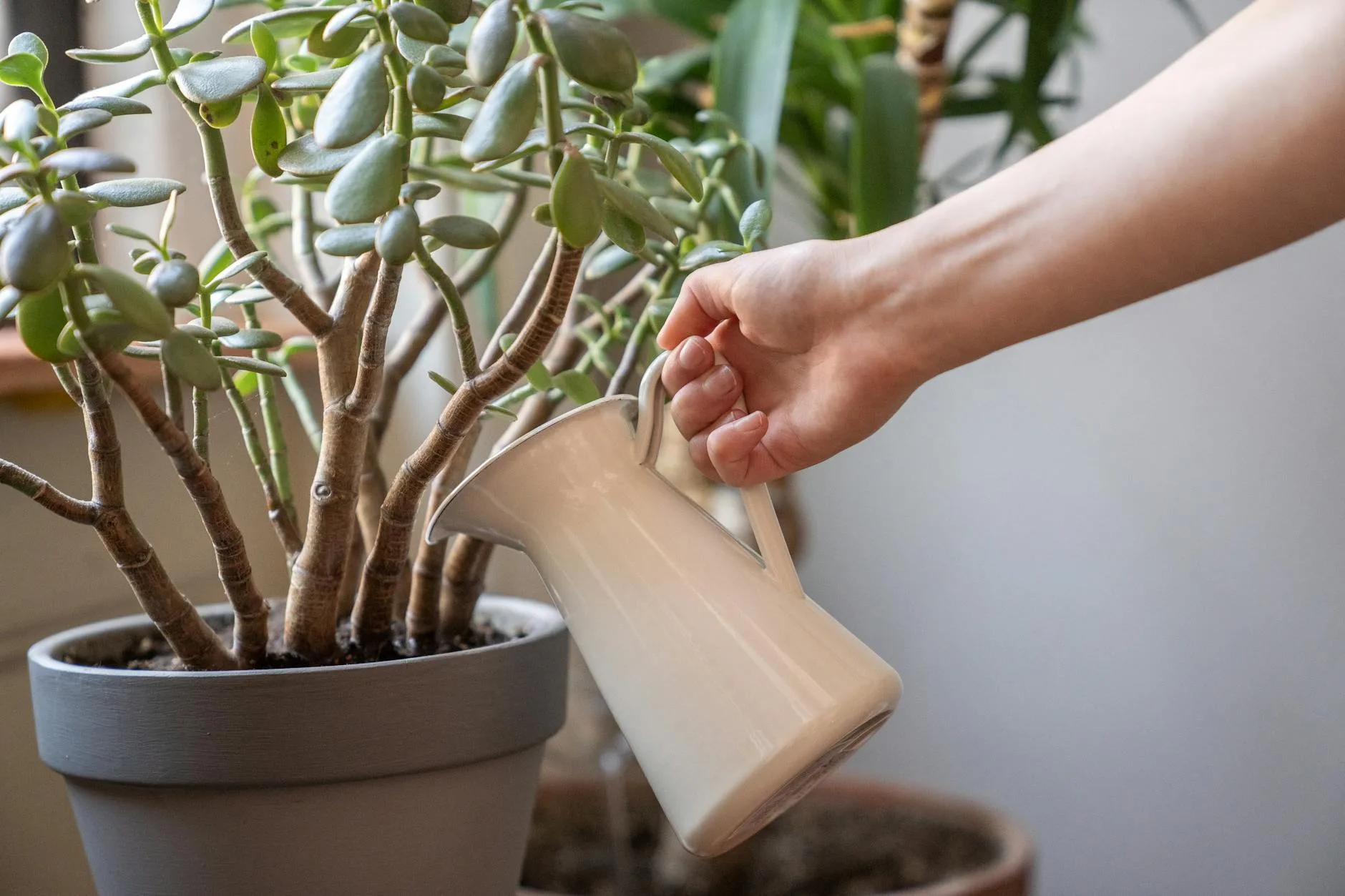
More desk plants die from too much water than too little. When in doubt, don’t water. Most desk plants prefer to dry out slightly between waterings. Stick your finger 2cm into the soil — if it’s damp, leave it. If it’s dry, water thoroughly until water drains from the bottom of the pot.
Light Assessment
Spend a day observing your desk. Our standing desk setup ideas cover worktop positioning too. Does direct sunlight hit it at any point? For how long? Is the room generally bright or dim? Match your plant choice to the light available — don’t try to grow a succulent in a dark corner or a fern in full afternoon sun.
Temperature and Draughts
Most houseplants prefer 18-24°C — conveniently, the same temperature range most people keep their homes at. Avoid placing plants directly next to radiators (too hot and dry), air conditioning vents (too cold and dry), or frequently opened windows in winter (temperature fluctuations stress plants). For related advice, take a look at How to Set Up an Ergonomic Home Office on a Budget. For related advice, take a look at How to Set Up an Ergonomic Home Office on a Budget.
Feeding
During the growing season (March to September), feed desk plants once a month with a general houseplant fertiliser (about £4-6 from any garden centre or supermarket). In winter, plants grow slowly or not at all — don’t feed them. Overfeeding causes salt buildup in the soil, which damages roots.
Dust the Leaves
Dusty leaves can’t photosynthesize properly. Wipe large leaves with a damp cloth every few weeks. For smaller-leaved plants, a gentle shower under the tap works. This also prevents pest buildup — spider mites love dusty, dry conditions.
Pots and Planters for Your Desk
Drainage Is Non-Negotiable
Whatever pot you choose, it needs a drainage hole. Pots without drainage holes trap water at the bottom, creating conditions for root rot — the most common cause of houseplant death after overwatering (which is really the same problem). If you love a decorative pot without drainage, use it as a cachepot — put the plant in a plastic nursery pot with drainage holes inside the decorative outer pot.
Materials
- Ceramic — heavy, stable, looks polished on a desk. Wide range of styles. Most popular choice for desk plants.
- Terracotta — porous, which helps prevent overwatering (excess moisture evaporates through the walls). Classic look but can leave water rings on desks — use a saucer.
- Concrete — trendy, heavy, industrial aesthetic. Suits modern desk setups.
- Plastic nursery pots — functional, lightweight, always have drainage. Put them inside a decorative outer pot.
Size
Choose a pot 2-3cm wider than the current root ball. Too-large pots hold excess moisture around the roots. When the plant outgrows its pot (roots circling the bottom, water running straight through), move up one size.
Plants to Avoid on a Desk
Ferns
Beautiful but demanding. Ferns need consistent humidity, frequent watering, and indirect light — conditions that are hard to maintain on a desk, especially in winter when central heating dries the air. Save ferns for bathrooms.
Large tropicals (Monstera, Fiddle-Leaf Fig)
They’ll outgrow a desk within months. Monstera and fiddle-leaf figs are floor plants — they want space, height, and room to spread. A baby monstera starts small but grows fast.
Flowering plants that need high light (Orchids, African Violets)
These are maintenance-intensive and need specific light conditions. They’re beautiful but they’re not “put it on the desk and forget about it” plants.
Where to Buy Desk Plants in the UK
Choose a specialist plant retailer or a local garden centre when you want to inspect the exact plant. For delivery, check the supplied pot size, live-plant description, weather-related dispatch guidance and damaged-on-arrival process. A nursery pot with drainage is useful even if you plan to add a decorative cover pot.
Frequently Asked Questions
What’s the easiest plant for a desk? Pothos is a forgiving choice where there is indirect daylight. A compact snake plant is another option if you prefer upright foliage and less frequent watering.
Do desk plants really improve air quality? Not enough to replace ventilation or an air purifier. Choose a desk plant for its appearance and the pleasure of caring for it, not as an air-cleaning device.
How often should I water a desk plant? Check the soil rather than follow a fixed calendar. Watering frequency varies with plant, light, pot size and season; let excess water drain.
Can plants survive in an office with no windows? No living plant thrives indefinitely without light. Use a suitable grow light in a windowless office or choose an artificial plant.
Are any common desk plants toxic to pets? Several popular desk plants can be harmful if chewed, including pothos and peace lily. Check the exact species against a veterinary plant-safety resource before buying for a pet-accessible desk, and keep plants out of reach.