Next home office desks make most sense if you want a desk that looks like furniture first and office kit second. This Next home office desks review UK guide is not about finding the cheapest board-on-legs option; it is about whether the current Next range is worth paying roughly £299-£775 for when IKEA, John Lewis, Wayfair and FlexiSpot all compete for the same spare-room corner.
In This Article
- Next Home Office Desks Review UK: Quick Verdict
- What the Next Desk Range Is Like
- Best Next Home Office Desks to Shortlist
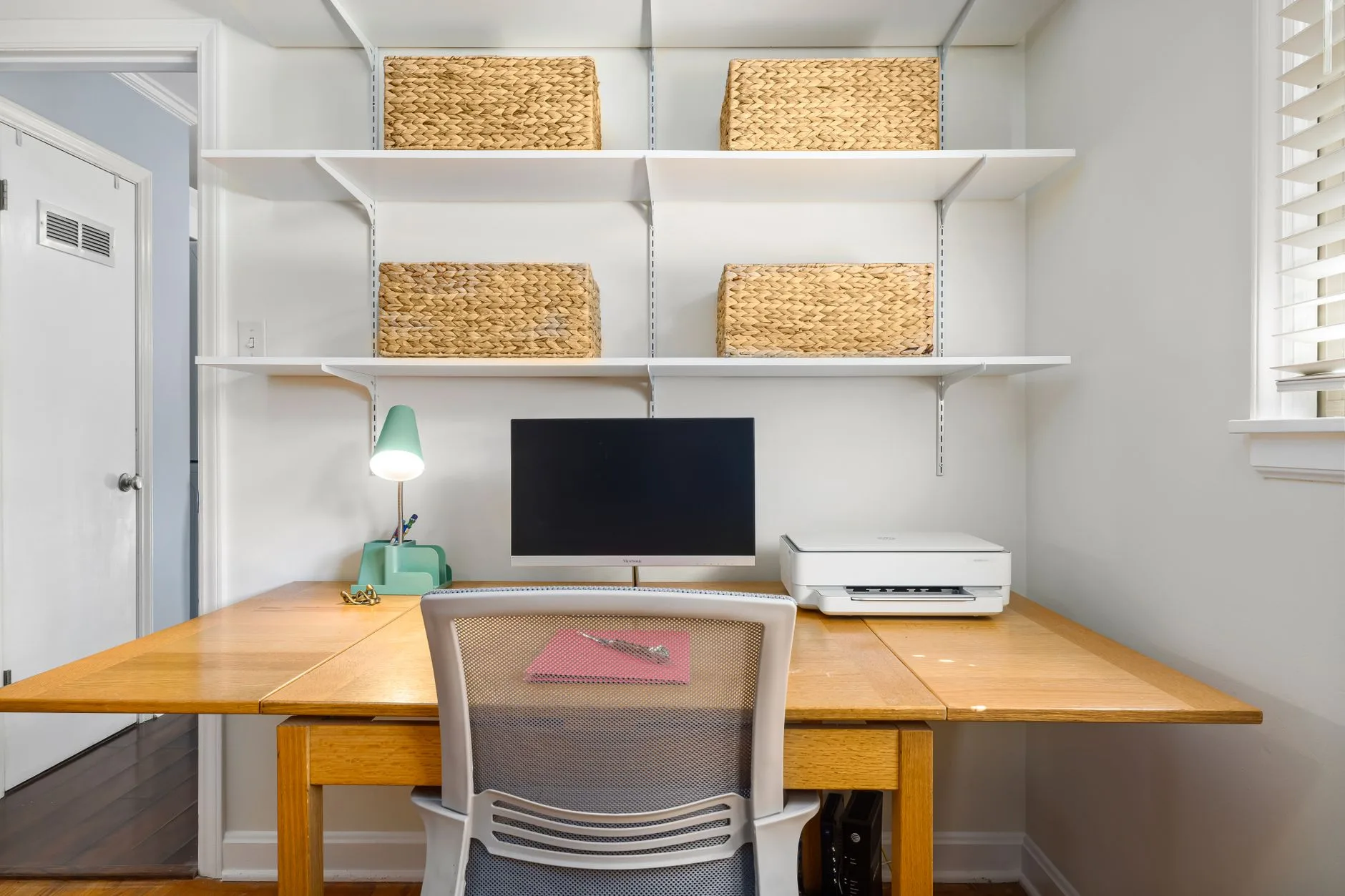
- Space, Measurements and Room Fit
- Build Quality, Storage and Everyday Use
- Delivery, Assembly and Returns
- Next vs John Lewis, IKEA, Wayfair and FlexiSpot
- Frequently Asked Questions
Next Home Office Desks Review UK: Quick Verdict
Next is strongest if your home office shares space with a bedroom, dining room or landing and the desk has to blend in when the laptop is shut. The Bronx and Malvern ranges look more grown-up than most budget flat-pack desks, and the storage-led designs are useful if you hate seeing chargers, notebooks and paperwork spread across the room.
My pick would be the Dark Natural Bronx Oak Effect Storage Desk at about £299 if you want the best value in the Next range. It gives you the warm oak-effect look without stepping into the £500-plus hideaway units. If the desk will sit in a main living space and you want doors to shut the workday away, the Malvern Compact Hideaway Desk at about £550 is the smarter premium buy.
The catch is that Next desks are not the obvious choice for heavy monitor arms, dual-screen workstations or sit-stand ergonomics. If you want a motorised desk, read the FlexiSpot Standing Desk Review instead. If you want a wider retailer comparison, our Wayfair standing desk guide covers a much bigger marketplace.
The short version:
- Best value: Bronx Oak Effect Storage Desk, about £299 from Next.
- Best for hiding work away: Malvern Compact Hideaway Desk, about £550.
- Best for a larger room: Bronx Oak Effect Large Desk, about £485.
- Best avoided for serious ergonomics: any fixed-height decorative desk if you use two large monitors all day.
What the Next Desk Range Is Like
Next does not sell home office desks like a specialist office supplier. The range sits inside its homeware furniture offer, which means the emphasis is on finish, storage and matching other furniture rather than technical workstation specs.
Bronx is the safer value range
The Bronx desk range is the one most people should start with. Current prices I found on Next sit at roughly £299 for the Bronx Oak Effect Storage Desk or Sideboard Desk, £335 for the standard Bronx Oak Effect Desk, £450 for the Swivel Desk, £485 for the Large Desk, and £499 for the Hideaway Desk.
The look is dark oak-effect, modern and slightly industrial without going full black-metal gaming desk. It works well with darker floors, neutral walls and the kind of spare bedroom that already has mixed furniture. The standard Bronx desk is the most desk-like option; the hideaway and sideboard versions are more furniture pieces that happen to include a work surface.
Based on the product layouts and owner-style complaints I see again and again with storage desks, the Bronx range is best if you need one of these:
- A laptop desk: enough surface for a laptop, notebook, lamp and coffee.
- A single-monitor setup: fine for a 24-27 inch monitor if you keep the surface tidy.
- A room-friendly finish: much warmer than plain white MDF.
- Some storage: shelves and drawers help if the desk lives outside a dedicated office.
I would not buy Bronx for a heavy clamp-on monitor arm without checking the rear edge and desktop thickness carefully. Some furniture-style desks have shaped backs, panels or thinner sections that do not play nicely with clamps.
Malvern is the premium furniture choice
Malvern is the range for people who want the office to disappear. Current Next prices are roughly £550 for the Compact Hideaway Desk or Corner Desk and around £750-£775 for the larger Malvern desk and hideaway units, depending on colour and version.
You are paying for the furniture look: painted finish, oak-effect worktop, cabinet-style storage and a softer country feel. The compact hideaway versions are the ones I would consider for a bedroom or living room because they let you close the front and stop the space looking like work at 8pm.
The compromise is obvious: hideaway desks are never as flexible as a plain rectangular desk. You are working within a cabinet footprint, cable routes are more constrained, and large monitors can make the whole thing feel cramped. Next says its compact hideaway format can accommodate a 27 inch display in the main base cabinet, but I would still measure your actual monitor stand and keyboard depth before ordering.
The odd listings matter
Next also sells desks from brands such as Laura Ashley and occasional mango wood or accent furniture lines. Some of these are lovely as writing desks, but they are less predictable for home office use. A pretty drawer layout can be annoying if it leaves no knee room. A sculptural swivel desk can solve a corner problem but make cable routing worse.
That is why I would treat Next as a furniture-first desk shop. It is good at desks that sit in real homes. It is weaker at desks built around screens, arms, docking stations and long workdays.
Best Next Home Office Desks to Shortlist
Best overall: Bronx Oak Effect Storage Desk, about £299
This is the one I would buy first. At about £299, it sits at the lower end of Next’s own desk pricing but still gives the range’s main benefit: a home-friendly oak-effect finish with useful storage.
The main reason it wins is balance. A £100-£150 budget desk from Amazon UK or Argos can do the job, but it often looks temporary and the finish marks quickly. A £750 Malvern unit looks smarter, but it is a big jump if you just need a proper working corner three days a week. The Bronx Storage Desk lands in the middle.
It suits:
- Hybrid workers: laptop, single monitor, headset and notebook.
- Spare bedrooms: enough style to avoid the rented-office look.
- Small homes: storage helps keep work clutter off the bed or dining table.
The weakness is adjustability. Pair it with a good chair, monitor riser and separate keyboard if you work long hours. The HSE display screen equipment guidance is dry reading, but its point is right: the desk is only one part of the workstation. Screen height, chair position and breaks matter just as much.
Best for hiding work away: Malvern Compact Hideaway Desk, about £550
The Malvern Compact Hideaway Desk is the one for a living room corner, bedroom alcove or kitchen-diner where you do not want your work kit staring at you all evening. At about £550, it is not cheap, but compared with building a fitted alcove desk it can still look sensible.
I like it for laptop-led work, admin, studying and occasional home working. The cabinet format gives you a proper place for chargers and paperwork, and the painted finish looks less office-like than a standard rectangular desk.
I would hesitate if you use a desktop PC tower, large speakers, two monitors or a deep mechanical keyboard. Hideaway desks are brilliant until your actual kit does not fit the hidden bit. Measure with the chair pulled out, not just the cabinet closed.
Best for a bigger room: Bronx Oak Effect Large Desk, about £485
The Bronx Large Desk, currently about £485, is the better choice if you want a more traditional work surface. It gives you more breathing room than the compact storage designs and should feel less cramped for a monitor, laptop stand and separate keyboard.
This is the option I would shortlist for someone who works from home most days but still cares about the room looking finished. It is not a replacement for a true ergonomic sit-stand desk, but it looks less temporary than many budget office desks.
If your desk has to support a big monitor arm, microphone boom or heavy desktop setup, look carefully at the underside and rear edge before committing. For that style of setup, our UPLIFT Desk V2 review is a better benchmark.
Best corner option: Malvern Corner Desk, about £550
The Malvern Corner Desk is interesting because UK homes often have awkward corners that are too small for a full office but too useful to waste. At about £550, it is priced like a proper furniture purchase, so I would only choose it if the shape solves a real layout problem.
Corner desks can be great, but they can also trap you facing into a wall with poor natural light. Before buying, sit a chair in the corner and check where your shoulders, screen and window will be. Our corner desks guide goes deeper on that, but the key point is simple: the corner is not always the best direction to face.
Space, Measurements and Room Fit
The biggest mistake with Next desks is buying for the product photo rather than the room. The range is styled beautifully, but styled rooms do not have the same mess as a working home office: printer cable, laptop charger, monitor lead, notebook, water bottle, receipts, school letter, mystery USB cable. Somehow always a mystery USB cable.
Measure the work zone, not just the desk
You need three measurements:
- Desk footprint: width and depth of the unit itself.
- Chair clearance: space behind the chair when you are sitting and when you stand up.
- Screen depth: distance from your eyes to the monitor once the keyboard is in place.
For a laptop-only setup, a compact desk can work. For a monitor and keyboard, I prefer at least 60cm of usable depth. More is better if the monitor has a deep stand. Some hideaway desks quote generous overall dimensions, but the actual pull-out or working surface may feel shallower once storage panels and backboards are included.
Check the desk against your existing chair
Next product pages tend to focus on the desk, but the chair decides whether the setup works. A fixed-height furniture desk can be fine with the right chair and footrest; it can also leave your shoulders hunched if the height is wrong.
If your chair arms do not fit under the desk, you either sit too far back or raise the chair and lose foot contact. Neither is great. Our ergonomic desk setup checklist covers the setup detail, but the buying point is this: check knee clearance, drawer position and armrest height before you fall for the finish.
Think about plug sockets
This sounds dull until the desk arrives. Hideaway and storage desks look best when they hide cables, but they need a socket nearby. If the nearest socket is behind a bed or across a doorway, you will end up with an extension lead trail, which defeats half the point of buying a tidy furniture desk.
I would budget another £15-£35 for a decent surge-protected extension block and cable clips from Amazon UK, Screwfix or B&Q. If you need a monitor riser, add another £20-£50. These small extras make a bigger difference than choosing between two nearly identical oak-effect finishes.
Build Quality, Storage and Everyday Use
Next desks are generally more about domestic furniture quality than office-grade engineering. That is not an insult. It just means you should judge them by the right standard.
Finish and surfaces
The oak-effect finishes in the Bronx and Malvern ranges are designed to look warm and coordinated with other furniture. They are not solid oak workbenches. Expect an oak-effect surface over engineered board, which is normal at these prices.
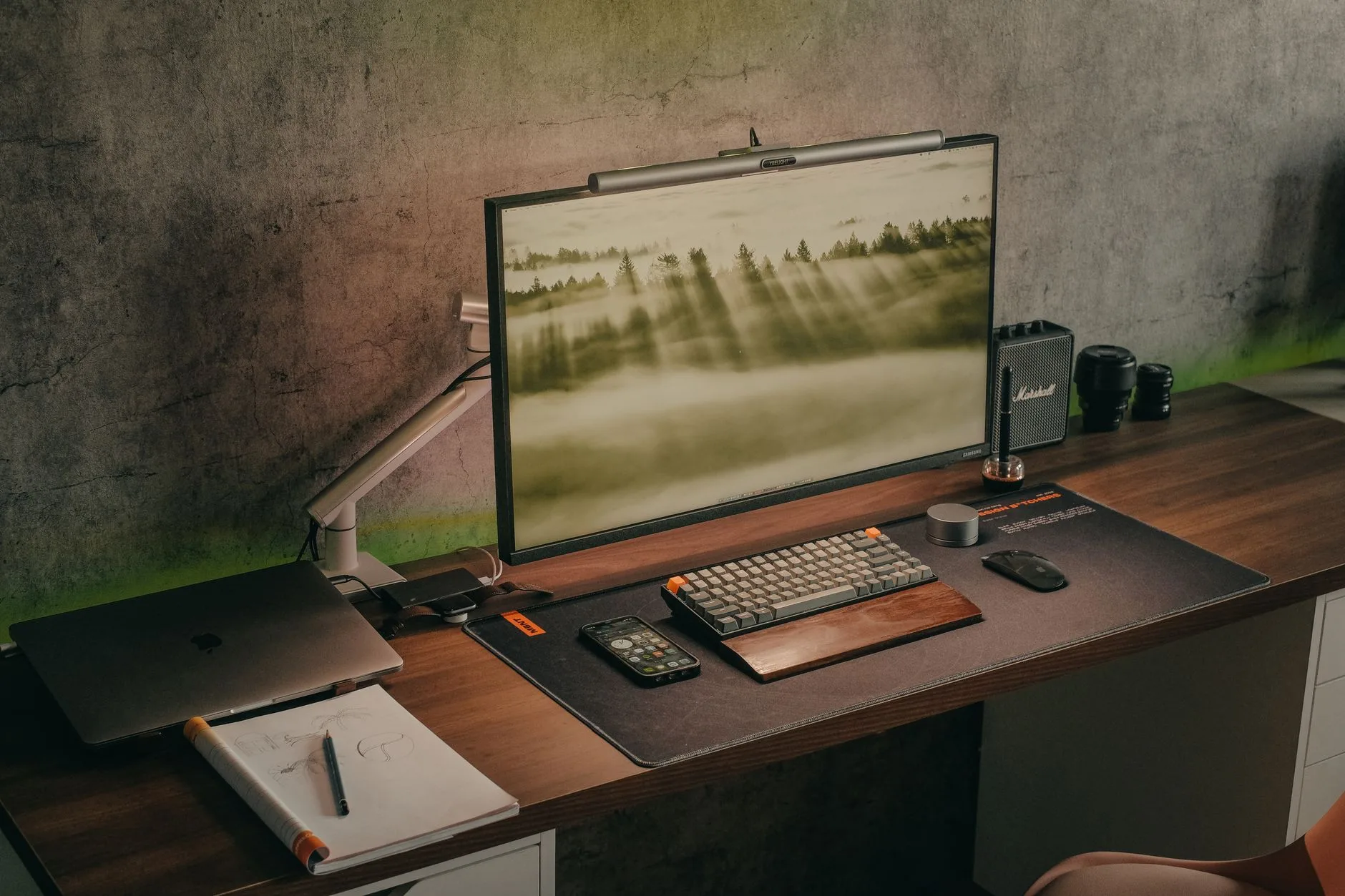
In everyday use, I would use a desk mat under a mouse and keyboard. It protects the surface from shiny wear patches, mug marks and pen dents. A decent desk mat costs £15-£40, and it is cheaper than discovering after six months that your favourite writing spot has gone glossy.
If you are choosing between a dark Bronx finish and a pale Malvern finish, think about dust. Dark desks show dust and pale crumbs. Pale desks show pen marks and denim scuffs. Nobody wins; you just choose your enemy.
Storage is useful, but do not overbuy it
Storage desks are tempting because they promise a tidy life. The reality is more modest: they give you places to put things. They do not make you use them properly. I have seen too many storage desks become beautifully finished junk drawers with a laptop balanced on top.
Useful storage for a home office means:
- One shallow drawer: pens, sticky notes, USB-C adapters and stamps.
- One larger cupboard or shelf: laptop bag, paper, headset case or small printer supplies.
- Cable gaps: enough space to route chargers without crushing them.
Deep shelves are less useful if you have to empty half the cupboard to reach the thing at the back. This is where the Malvern hideaway units need a careful look. They can be excellent for closing away work, but the storage has to match your actual kit.
Stability and wobble
For typing on a laptop, most Next desks should feel fine if assembled carefully and placed on a level floor. For monitor arms, heavy speakers or enthusiastic mechanical keyboard use, I would be more cautious.
Furniture-style desks can wobble for three reasons:
- Panel construction: large flat panels can flex more than metal frames.
- Floor level: old UK floors are rarely perfect.
- Assembly tolerance: slightly loose cam locks or brackets make a desk feel cheaper than it is.
Do not rush assembly. Tighten everything after the desk has settled, and check it again a week later. That small second pass often removes the tiny movement that makes a desk annoying.
Delivery, Assembly and Returns
Next’s advantage is that you are buying from a familiar UK retailer with mainstream delivery and customer service, not a random marketplace seller. That matters with furniture because damage, missing fixings and awkward returns are more painful than with small accessories.
Delivery costs and access
Delivery terms can change by item, so check the exact listing before ordering. Larger furniture may have different delivery options from standard clothing or homeware parcels. The practical issue is access: can the box get up the stairs, around the landing and into the room?
Before ordering a hideaway or large desk, measure:
- Stair width: including turns and bannisters.
- Doorway width: especially loft rooms and converted spaces.
- Assembly space: you need floor area to lay panels out without scratching them.
If you live in a flat, check whether delivery is to the room or only to the building entrance. A £550 desk feels less charming when you are negotiating it up two flights alone.
Assembly difficulty
Expect flat-pack assembly. Not terrifying, but not a five-minute job either. A compact storage desk has more panels, hinges and alignment points than a simple four-leg writing desk. Hideaway doors need patience because a slightly uneven hinge gap makes the whole thing look off.
I would allow:
- Simple Bronx desk: around 60-90 minutes with two people.
- Storage or sideboard desk: around 90-150 minutes.
- Hideaway desk: half a day if you are careful and want the doors aligned well.
You will want a clear floor, a proper screwdriver, a soft blanket to protect panels and a second person for lifting. Power tools are useful only if you are careful; over-tightening can damage cam fixings and chip board edges.
Returns reality
The return question with desks is not just “can I return it?” It is “can I return it without losing a weekend?” Keep packaging until you are sure. Photograph any damage before assembly. Check panels before you build the whole desk, because discovering a damaged side panel at step 27 is a special kind of domestic despair.
If you are uncertain between two sizes, use masking tape on the floor first. It costs nothing and saves you treating your hallway like a furniture warehouse.
Next vs John Lewis, IKEA, Wayfair and FlexiSpot
Next sits in a particular lane. It is not the cheapest, not the most ergonomic and not the broadest catalogue. Its appeal is furniture styling with enough home-office practicality for normal hybrid work.
Next vs John Lewis
John Lewis feels like the closest comparison. Both sell desks that look at home in a grown-up room rather than a tech startup. John Lewis often has stronger classic writing desk options and a more curated feel, while Next has strong matching furniture ranges if you already like Bronx, Malvern or its bedroom furniture.
If service confidence matters most, compare both. Our John Lewis office desk range review is worth reading before you choose.
Next vs IKEA
IKEA wins on price, modularity and simple practicality. A basic IKEA desk can cost well under £100, and even stronger combinations often stay under £200-£300. IKEA also gives you more mix-and-match control with legs, drawers and tops.
Next wins when you want the desk to look like part of the room immediately. You pay more for that. Whether that is sensible depends on the room. In a dedicated office, I would often choose IKEA and spend the saving on a better chair. In a bedroom or living space, Next becomes more persuasive.
Next vs Wayfair
Wayfair gives you huge choice and regular deals, but quality can vary heavily by brand and listing. Next is narrower but easier to understand. If you dislike trawling through hundreds of options, Next is calmer.
Wayfair may still be better for unusual sizes, glass desks, industrial frames or very cheap stopgap desks. Next is better when you want a coherent furniture look without spending an evening comparing 47 nearly identical listings.
Next vs FlexiSpot
FlexiSpot is the wrong comparison if you care about looks first, but the right comparison if you care about ergonomics. A FlexiSpot electric standing desk often costs around £200-£500 depending on frame, desktop and offers, which overlaps with several Next desks.
If you work from home full time, I would rather have a plain but stable sit-stand desk and a decent chair than a prettier fixed-height desk. If you work from home occasionally and the desk lives in your bedroom, Next has the better visual fit.
Who should buy a Next home office desk?
Buy a Next home office desk if the room matters as much as the work surface. That is the honest reason to choose one. You are paying for a desk that behaves like home furniture, not for the most technical workstation at the price.
It is a good fit if:
- You work hybrid hours: two or three days a week, mostly laptop and video calls.
- The desk is visible: bedroom, dining room, living room or landing.
- You want storage: paperwork, chargers and headset need somewhere to go.
- You like matching ranges: the desk can coordinate with existing Next furniture.
I would look elsewhere if:
- You need sit-stand movement: choose FlexiSpot, UPLIFT or another ergonomic frame.
- You run two large monitors: buy for depth, cable routing and clamp strength first.
- Your budget is tight: IKEA, Argos and Amazon UK have cheaper functional desks from about £60-£150.
- You move often: large storage desks are less forgiving than simple flat-pack tables.
My final answer: Next desks are worth it when you want a tidy, furniture-led home office corner and you are happy paying £299-£775 for appearance, storage and retailer convenience. For pure work comfort, spend the money on an ergonomic chair, monitor position and a desk with better adjustability.
Frequently Asked Questions
Are Next home office desks good quality? They are good furniture-style desks for home use, especially the Bronx and Malvern ranges, but they are not specialist ergonomic workstations. Expect engineered board and oak-effect or painted finishes rather than solid hardwood office furniture.
Which Next desk is best value? The Bronx Oak Effect Storage Desk at about £299 is the best value pick in the current range. It gives you the Next furniture look, useful storage and a sensible price before the hideaway desks jump towards £500-£775.
Are Next hideaway desks worth it? They are worth it if the desk sits in a bedroom, living room or kitchen-diner and you want to close work away. They are less suitable for dual monitors, desktop PCs or deep keyboard setups.
Can a Next desk hold a monitor arm? Do not assume it can. Check the desktop thickness, rear edge shape and any back panels before fitting a clamp-on monitor arm. For heavy arms, a specialist office desk is usually safer.
Is Next better than IKEA for desks? Next is better for a coordinated furniture look. IKEA is usually better for price, modular options and simple workstation practicality. For a dedicated office, IKEA often wins; for a visible bedroom or living room setup, Next can make more sense.
How much should I budget for a Next home office setup? Budget about £299-£550 for the desk most people will shortlist, plus £15-£40 for a desk mat, £20-£50 for a monitor riser and £15-£35 for cable management or a surge-protected extension lead.